Introduction
Smartphones have become an essential part of our lives, allowing us to stay connected with friends, family, and the world around us. Over the years, smartphones have evolved significantly, with each new model bringing new features and capabilities. In this post, we'll take a look at the top ten most used smartphones in history and explore the features that made them so popular.
01: Nokia 1100

Released in 2003, the Nokia 1100 was a basic feature phone that was designed for durability and long battery life. It was particularly popular in emerging markets where people needed a reliable phone that could withstand harsh conditions. The Nokia 1100 was also known for its flashlight feature, which was useful in areas with limited electricity.
02: iPhone 6 and 6 Plus
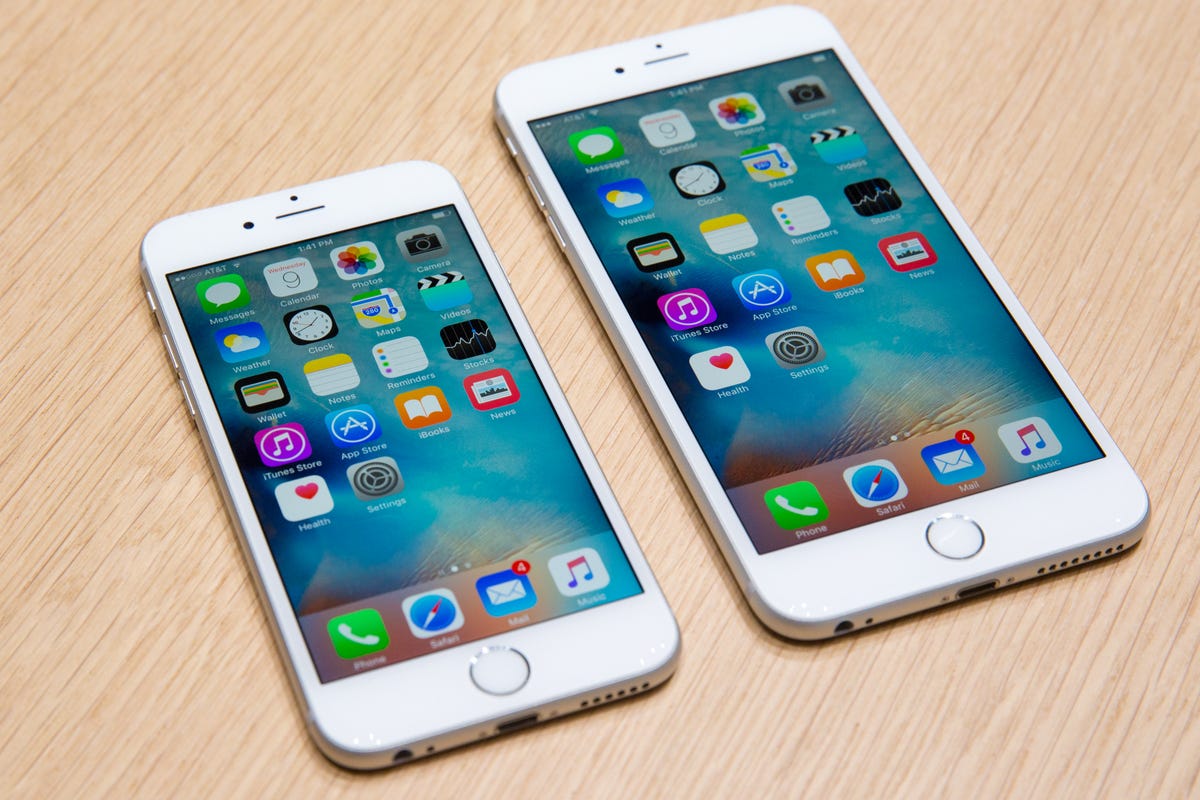
Released in 2014, the iPhone 6 and 6 Plus were a major upgrade from the previous models. They featured larger screens, improved cameras, and faster processors. The iPhone 6 Plus was particularly popular among users who wanted a bigger screen for gaming and streaming.
03: Samsung Galaxy S III
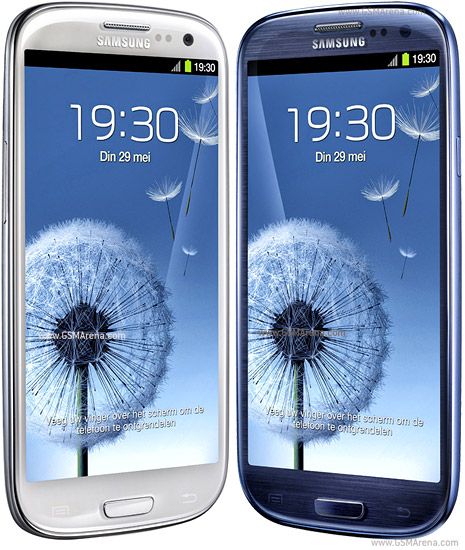
The Samsung Galaxy S III was a flagship smartphone that was released in 2012. It featured a large 4.8-inch screen, a quad-core processor, and an 8-megapixel camera. It was also one of the first smartphones to include S Voice, a voice-controlled personal assistant.
04: iPhone 5s and 5c
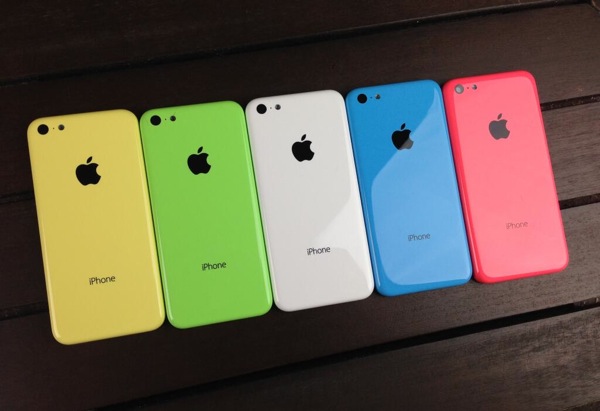
The iPhone 5s and 5c were released in 2013 and were the first iPhones to feature Touch ID, which allowed users to unlock their devices with their fingerprints. The iPhone 5s also had a new A7 chip that made it twice as fast as the previous model.
05: Nokia 3210
Released in 1999, the Nokia 3210 was a popular feature phone that was known for its durable design and interchangeable covers. It also had a built-in game called Snake, which became a cultural phenomenon.
06: iPhone 4s
Released in 2011, the iPhone 4s was the first iPhone to feature Siri, a voice-controlled personal assistant. It also had an improved camera with an 8-megapixel sensor and the ability to shoot 1080p video.
07: Samsung Galaxy S II
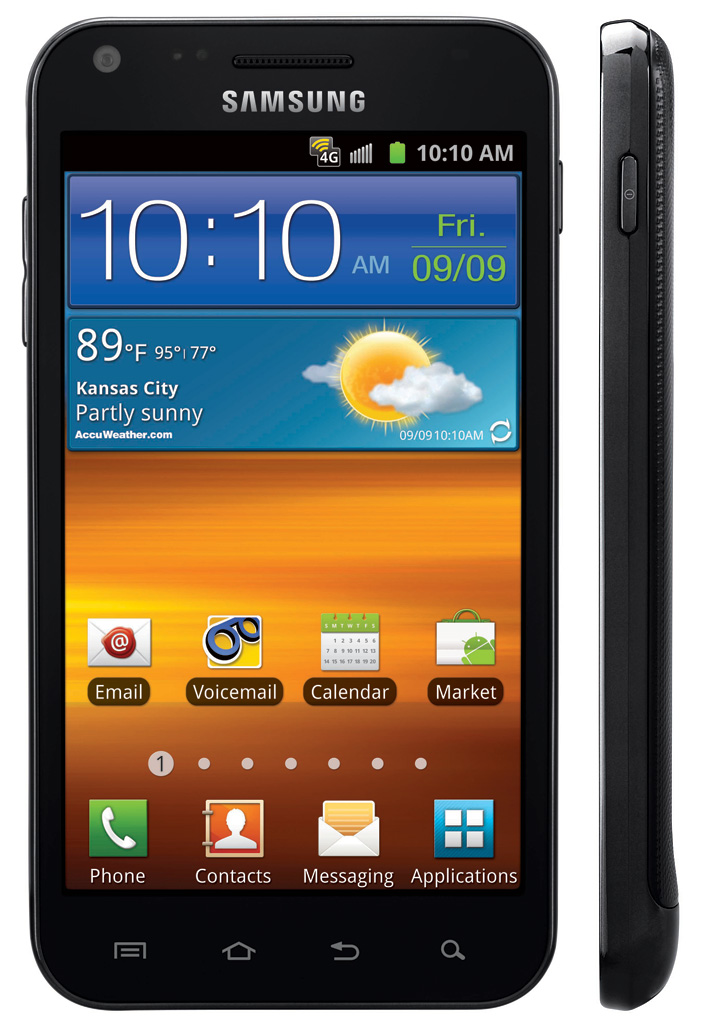
The Samsung Galaxy S II was a flagship smartphone that was released in 2011. It featured a 4.3-inch screen, a dual-core processor, and an 8-megapixel camera. It was also one of the first smartphones to support NFC, which allowed users to make mobile payments and transfer data wirelessly.
09: Nokia 6600

Released in 2003, the Nokia 6600 was one of the first smartphones to feature a built-in camera. It had a resolution of 0.3 megapixels and also featured a large 2.1-inch screen and a multimedia player that could play MP3 files.
08: BlackBerry 8520 Curve
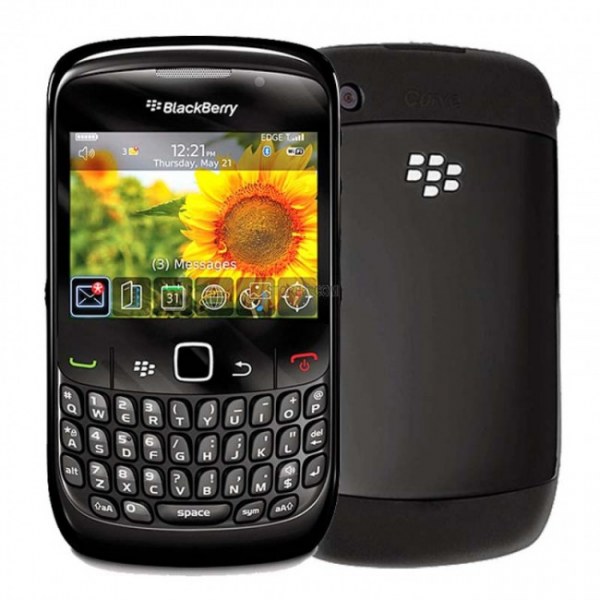
Released in 2009, the BlackBerry 8520 Curve was a popular smartphone known for its physical keyboard, which made it popular among business users who needed to send emails and text messages quickly. It also had a long battery life, which was a major selling point for users who needed to stay connected on the go.
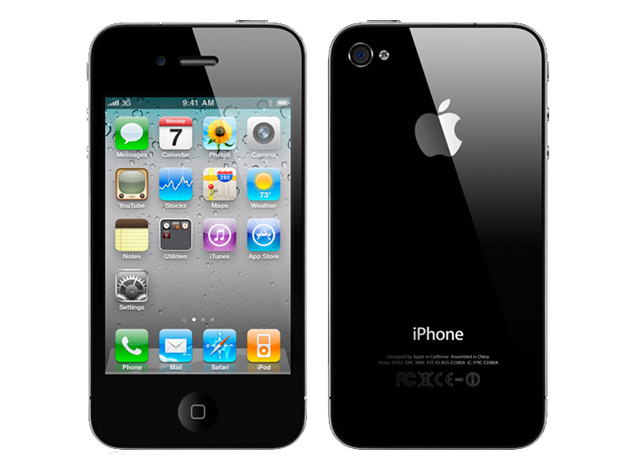
10: iphone 4
Released in 2010, the iPhone 4 was a major upgrade from the previous model, the iPhone 3GS. One of the most significant improvements was the introduction of the Retina display, which had a resolution of 960x640 pixels and a pixel density of 326 pixels per inch (PPI). This was a significant improvement over the previous model's 480x320 resolution and 163 PPI, and it made the iPhone 4's display one of the sharpest and most detailed of any smartphone at the time.
Another major improvement was the addition of a front-facing camera, which allowed users to make video calls using Apple's FaceTime app. The camera had a resolution of VGA quality (640x480), which was not particularly high by today's standards, but it was a major selling point at the time.
The iPhone 4 also had a new design that featured a stainless steel frame and a glass back panel. This gave the phone a sleek and modern look that was well-received by consumers. However, the glass back panel was prone to cracking if the phone was dropped, which led to some criticism from users.
Under the hood, the iPhone 4 was powered by a new A4 processor, which was designed by Apple and was more powerful than the previous model's processor. This, combined with the improved display and camera, made the iPhone 4 a significant upgrade from the iPhone 3GS.
Overall, the iPhone 4 was a major milestone in the evolution of the iPhone and the smartphone industry as a whole. It introduced several features that are now standard on most smartphones, such as a high-resolution display and a front-facing camera. It was also a significant step forward in terms of design, and it helped establish Apple's reputation for creating sleek and innovative products. While the iPhone 4 may now seem outdated by today's standards, it remains an important part of the iPhone's history and a testament to Apple's ability to innovate and push the boundaries of what's possible with a smartphone.
>>>>Conclusion
Smartphones have come a long way since the early days of feature phones, and the top ten most used smartphones in history reflect the evolution of the industry. From basic phones like the Nokia 1100 to the latest models like the iPhone 13 and Samsung Galaxy S21, smartphones have become more powerful and versatile than ever before. They are now essential tools for communication, entertainment, and productivity, and they have revolutionized the way we live our lives. As technology continues to advance, we can expect to see even more innovative features and capabilities in the smartphones of the future.

Comments
Post a Comment